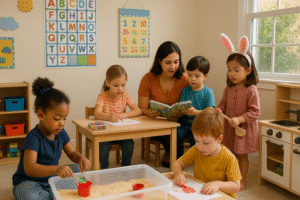
In an age where structured schedules and constant stimulation dominate early childhood routines, experts are increasingly highlighting the overlooked value of “boredom time” for toddlers. Child development specialists suggest that moments without planned activities are not wasted time but rather critical growth opportunities.
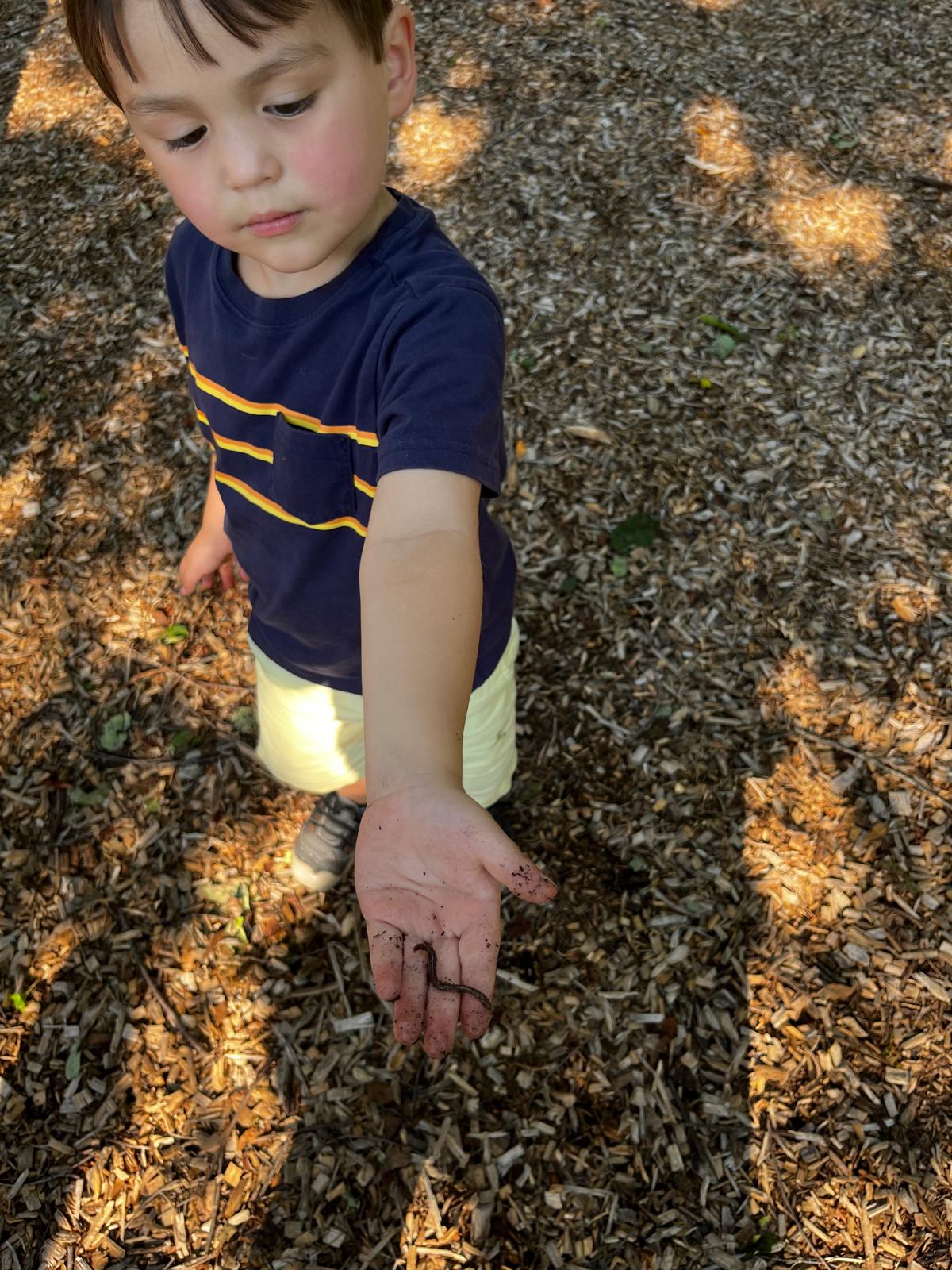
Recent discussions in early education emphasize that when toddlers are left to explore their surroundings without direct instruction, they begin to develop problem-solving abilities, creativity, and self-reliance. Instead of relying on guided entertainment, children learn to engage with their environment, invent games, and use imagination, skills that structured activities often limit.
Research in early childhood development indicates that boredom can stimulate cognitive flexibility. When toddlers are not immediately provided with toys or screens, their brains are encouraged to think independently. This process strengthens neural pathways associated with creativity and decision-making.
Home daycare providers, in particular, are incorporating intentional unstructured time into daily routines. By allowing children to experience short periods of boredom, caregivers observe improvements in attention span and emotional regulation. Toddlers gradually become more comfortable managing their own time, which fosters confidence and independence.
Experts also note that overstimulation, often caused by excessive screen time or tightly packed schedules, can hinder a child’s ability to self-entertain. In contrast, boredom acts as a reset, giving young minds the space to process experiences and develop curiosity naturally.
Parents are encouraged to view boredom not as a problem to fix but as a developmental tool. Simple practices such as limiting screen exposure, offering open-ended toys, and allowing quiet time can help integrate this concept into everyday routines.
As awareness grows, boredom time is being redefined from a negative experience into a powerful contributor to early childhood development. For toddlers, these quiet, unstructured moments may be the foundation for lifelong creativity and resilience.
Related posts: