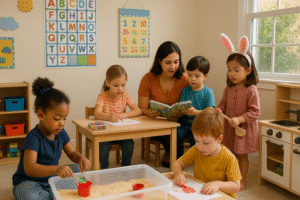
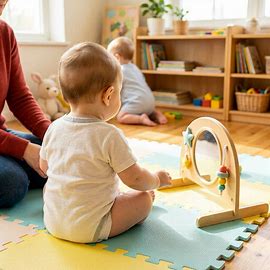
Parents often wonder whether a six-month-old baby is too young to benefit from daycare. While infants at this age are still developing basic communication and motor skills, research continues to show that early social interaction plays an important role in healthy childhood development. A nurturing daycare environment can provide valuable opportunities for babies to engage with caregivers and peers, helping them build foundational social and emotional skills from an early age.
Why Socialization Matters at Six Months
By six months, babies become increasingly aware of the people around them. They begin recognizing familiar faces, responding to facial expressions, and showing curiosity about their surroundings. Although they may not actively play with other children, they observe behaviors, sounds, and interactions that contribute to their learning process.
Daycare settings expose infants to a variety of social experiences throughout the day. These interactions encourage babies to become comfortable around different people while gradually developing trust and confidence beyond their immediate family environment.
Supporting Early Communication Skills
Language development begins long before a child speaks their first words. Babies learn through listening, observing, and responding to voices around them. In daycare, infants regularly hear conversations, songs, stories, and playful interactions that stimulate language acquisition.
Caregivers often engage babies through talking, singing, and reading activities, helping strengthen listening skills and encouraging early communication patterns. Consistent exposure to language-rich environments can support future speech and vocabulary development.
Building Emotional Confidence
A structured daycare environment helps babies learn to feel safe and secure with trusted caregivers. Positive interactions throughout the day reinforce emotional stability and adaptability.
As infants become familiar with daily routines and caring adults, they gain confidence in exploring new surroundings. This gradual exposure to different experiences can help reduce anxiety in unfamiliar situations later in childhood.
Encouraging Cognitive Development
Social interaction and cognitive growth are closely connected during infancy. Babies learn by watching others, responding to stimuli, and engaging with age-appropriate activities.
Daycare programs often introduce sensory play, music, movement, and interactive learning experiences designed to stimulate curiosity. These activities help strengthen attention spans, memory development, and problem-solving abilities while supporting overall brain development.
Learning Through Observation
Even before they can actively participate in group activities, six-month-old babies learn by observing older children and adults. Watching peers interact, communicate, and explore their environment provides valuable learning opportunities.
Observation encourages imitation, a critical developmental milestone that supports both social and cognitive growth. Babies often begin copying facial expressions, sounds, and simple actions they see around them.
Developing Routine and Independence
Daycare introduces consistent schedules that include feeding, naps, playtime, and social interaction. Predictable routines help infants feel secure while gradually learning flexibility and adaptation.
As babies become comfortable in structured environments, they begin developing independence and self-confidence. These early experiences can support smoother transitions into preschool and other educational settings later in life.
The Role of Quality Care
The benefits of socialization depend greatly on the quality of the daycare environment. Responsive caregivers, safe surroundings, age-appropriate activities, and low caregiver-to-child ratios contribute significantly to positive developmental outcomes.
At Right at Home Daycare in Potomac, MD, infants receive attentive care in a warm and supportive environment designed to encourage healthy growth, early learning, and meaningful social interaction.
Final Thoughts
Socialization at six months is not about making friends in the traditional sense. Instead, it is about creating opportunities for babies to observe, interact, and engage with the world around them. A high-quality daycare setting can help support emotional, social, language, and cognitive development during one of the most important stages of early childhood growth.
Related posts:
Top 5 Home Daycare Potomac MD Ranking
How to Choose the Best Daycare in Potomac, MD
The First Day of Daycare: How to Prepare Your Child (and Yourself)