
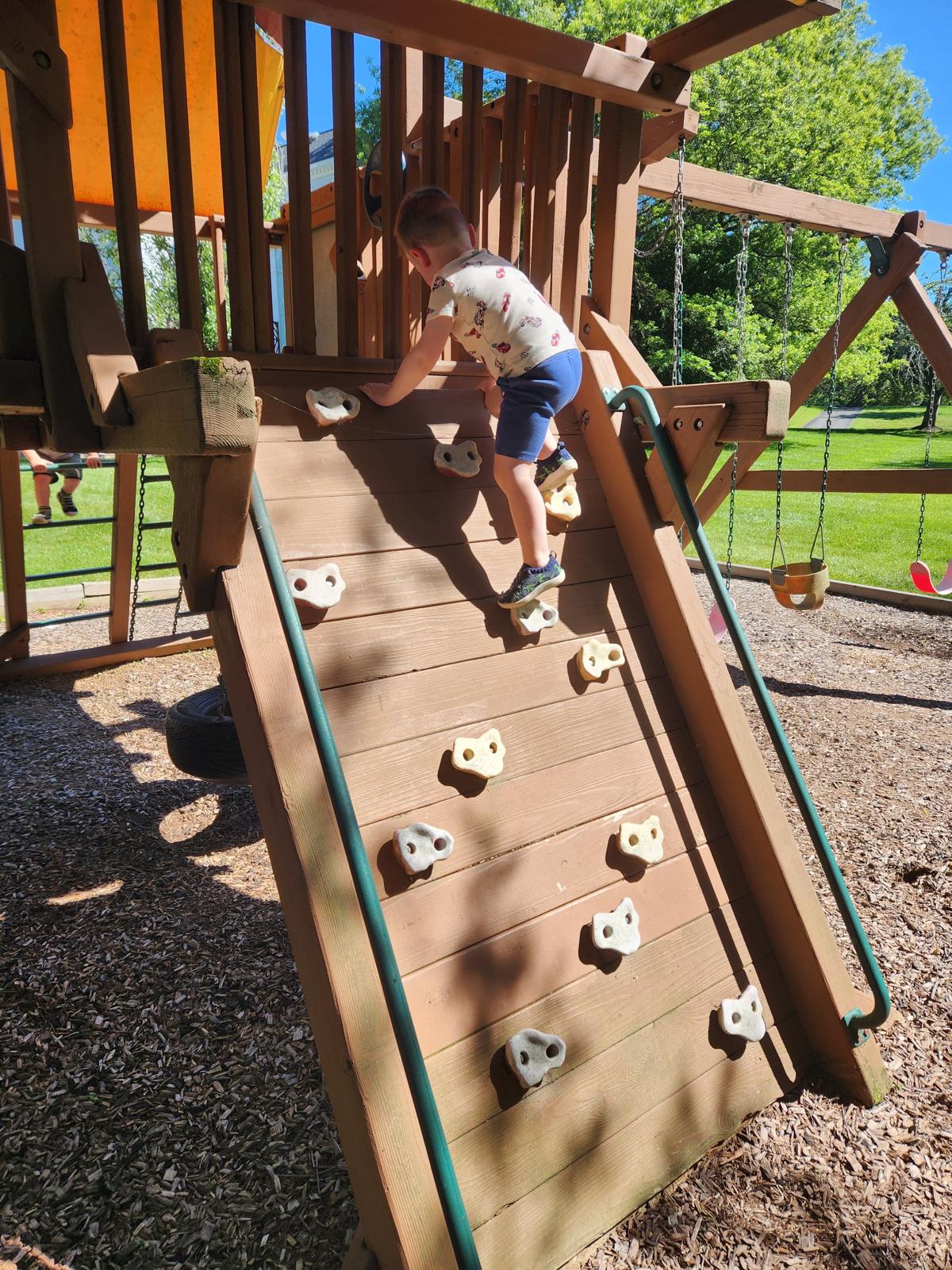
When observing a toddler on a playground, it is easy to view their constant motion as mere boundless energy. They scale small platforms, demand to be pushed higher on swings, and sprint across the grass with a joyful lack of caution. However, in the field of early childhood development, these movements are recognized as critical neurological and physical milestones.
For the under-three age group, physical movement is the primary vehicle for learning. Through gross motor activities for toddlers, young children are not just building muscle; they are mapping their spatial awareness, testing physical limits, and constructing the neural pathways required for complex cognitive tasks later in life.
For families in Potomac, MD, providing structured opportunities for active play is a non-negotiable pillar of early education. Below is an analytical look at the essential physical activities toddlers need every day and the developmental science behind them.
The Core Movements of Early Physical Development
| Physical Activity | Primary Muscle Groups | Developmental Benefit |
| Climbing | Core, upper body, grip strength | Spatial reasoning & calculated risk-taking |
| Swinging | Core stabilizers, neck, arms | Vestibular system input & balance |
| Running & Balancing | Lower body, ankles, calves | Bilateral coordination & spatial mapping |
1. Climbing: The Ultimate Problem-Solving Exercise
Climbing is often the activity that causes parents the most anxiety, yet it is one of the most intellectually stimulating exercises a toddler can engage in. Whether a child is scaling a low playground ladder or navigating a soft foam block set inside a toddler home daycare, they are actively solving a physical puzzle.
Climbing requires a child to plan their next move, assessing where to place their hands and feet to maintain equilibrium. This directly builds spatial awareness and visual-spatial processing. Physically, it develops intense core stability and grip strength, two foundational attributes that, surprisingly, are required later on for a child to sit upright at a desk and hold a pencil for fine motor tasks.
2. Swings and Core Motion: Calming the Vestibular System
The motion of swinging provides more than just a momentary thrill; it is a powerful workout for a toddler’s vestibular system. Located in the inner ear, the vestibular system regulates balance, posture, and the body’s orientation in space.
When an infant or toddler experiences the fluid, rhythmic motion of an age-appropriate swing in a high-quality infant child care setting, their brain is flooded with sensory data regarding gravity and speed. To remain centered in the seat, the toddler must subconsciously engage their core and back muscles. This repetitive engagement trains their balance, while the rhythmic motion simultaneously acts as a soothing, organizing mechanism for a young child’s nervous system.
3. Dynamic Locomotion: Running, Jumping, and Balancing
By the age of two, movement transforms from simple walking to dynamic locomotion. Running on uneven natural surfaces, such as the rolling grass hills or woodchips found in a premium group childcare outdoor space, challenges a toddler’s ankles and feet far more than flat indoor flooring.
Introducing simple balance beams (or even a straight line of colorful tape on the floor) forces toddlers to practice bilateral coordination, which is the ability to use both sides of the body together in a controlled manner. These physical development milestones for toddlers are essential building blocks for higher-level athletic skills, such as jumping with both feet, kicking a ball, and eventually riding a tricycle.
The Premium Low-Ratio Advantage in Potomac
The American Academy of Paediatrics suggests that toddlers should be active for at least 60 to 90 minutes across an eight-hour day. Meeting this standard safely requires vigilant supervision and an environment designed for exploration.
In large, crowded commercial care settings, active outdoor play can sometimes become chaotic, leading providers to restrict challenging activities out of safety concerns. However, shielding toddlers from physical challenges can inadvertently delay their motor planning and risk-assessment skills.
Right at Home Daycare solves this dilemma by offering the ultimate active environment right here in Potomac, MD. Operating with an intimate, low-ratio home care model, Right at Home Daycare provides safe, meticulously supervised indoor and outdoor spaces where toddlers can climb, swing, and run to their hearts’ content. We believe that by safely challenging their bodies today, we are building the confident, resilient minds of tomorrow.
Related posts:
Top 5 Home Daycare Potomac MD Ranking
How to Choose the Best Daycare in Potomac, MD
The First Day of Daycare: How to Prepare Your Child (and Yourself)




1 thought on “Essential Gross Motor Activities for Toddlers”
Great content! Keep up the good work!