
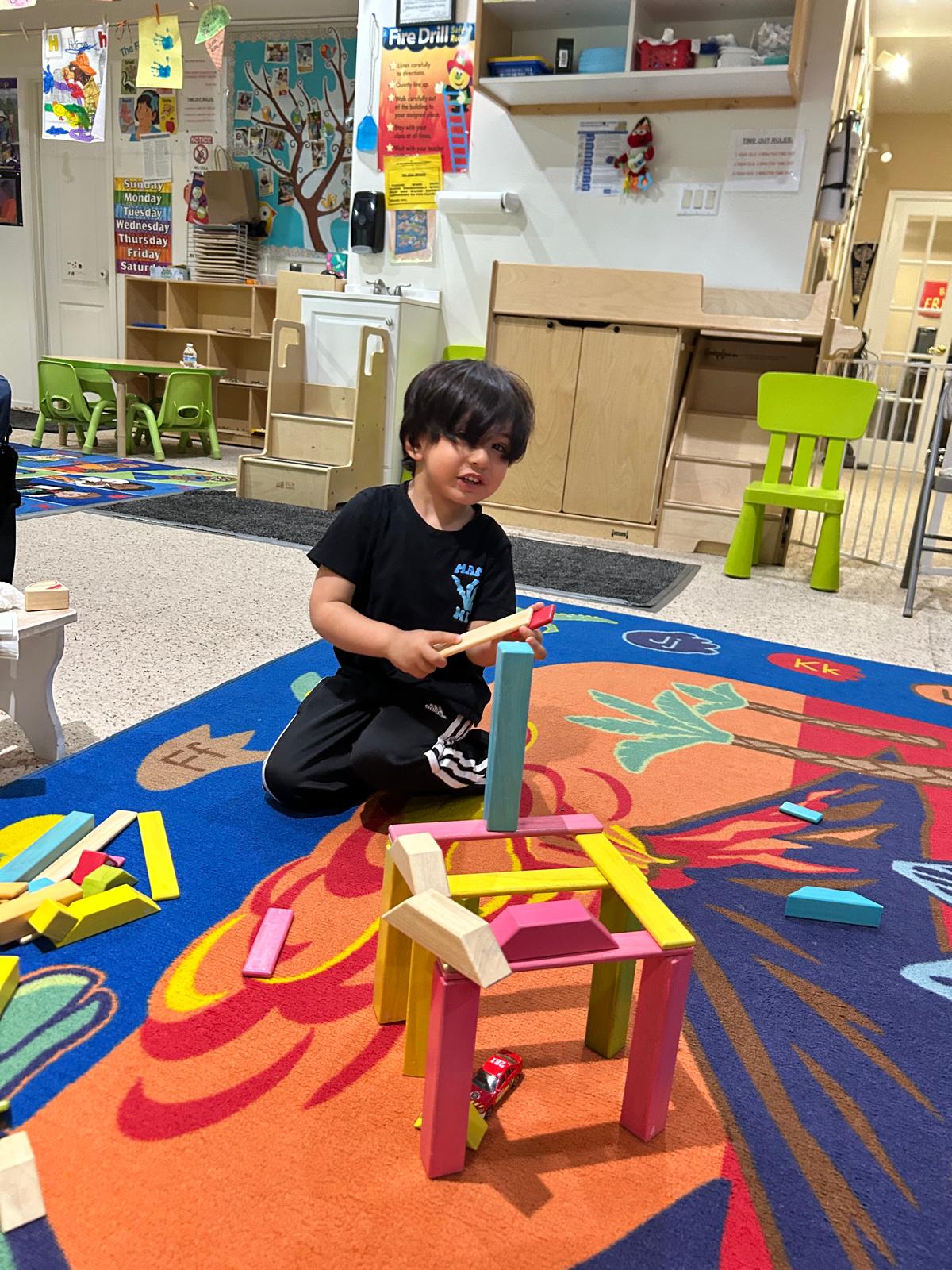
When parents begin evaluating childcare options, they are frequently greeted by commercial facilities boasting vast square footage, colorful play zones, and glossy promotional booklets. However, beneath the polished exterior of large institutions lies a fundamental operational reality: high child-to-teacher ratios and crowded classrooms can lead to ambient noise overload, elevated stress levels, and rapid germ transmission.
For families in Potomac, MD, where expectations for individualized care and early cognitive safety are extraordinarily high, choosing between a large commercial facility and a home-based program comes down to quality of attention. According to standards published by the National Association for the Education of Young Children (NAEYC), lower group sizes and smaller adult-to-child ratios are directly linked to safer environments, stronger emotional security, and higher-quality caregiver interactions.
Below is an analytical look at why low-ratio home daycares offer superior operational quality for infants and toddlers.
Operational Comparison: Home Care vs. Commercial Centers
| Feature | Low-Ratio Home Daycare | Commercial Childcare Center |
| Group Size | Intimate (typically 4–6 children) | Large (often 12–20+ per classroom) |
| Caregiver Consistency | Single primary caregiver every day | Rotating shifts & assistant handoffs |
| Acoustic & Sensory Load | Calm, household sound environment | High ambient noise & multi-child chaos |
| Health & Illness Exposure | Significantly reduced pathogen spread | Frequent, widespread illness cycles |
1. Attentive Supervision and Reduced Sensory Stress
In early childhood care, safety is a function of proximity. When a single caregiver is tasked with supervising a large group of active toddlers, even the most dedicated educator must divide their visual focus across multiple competing priorities.
In contrast, a low-ratio toddler home daycare allows the caregiver to maintain constant visual and physical proximity to every child. This intimate scale drastically reduces ambient noise and chaotic sensory input, which the American Academy of Pediatrics (AAP) notes can contribute to behavioral fatigue and elevated stress responses in young children. In a calmer setting, toddlers can maintain deep focus during play without being repeatedly startled or overwhelmed by surrounding noise.
2. Caregiver Consistency and Secure Attachment
Infants and toddlers develop emotional resilience through consistent, predictable relationships. In large commercial settings, staff shifts, lunch breaks, and employee turnover mean a young child may interact with three or four different caregivers in a single day.
A home-based infant child care program provides primary caregiving in its purest form. A child greets the same trusted adult every morning, establishing a secure emotional baseline. As recognized by the Centers for Disease Control and Prevention (CDC) in their early child development guidelines, strong, stable attachments with primary caregivers lay the groundwork for healthy social-emotional regulation, self-confidence, and cognitive exploration.
3. Lower Contagion Rates and Health Protection
One of the most immediate operational differences parents notice after enrolling in a low-ratio environment is a significant drop in sick days. Large centers house dozens, sometimes hundreds, of children under one roof, creating an environment where respiratory illnesses and viruses cycle continuously.
By limiting total daily exposure to a small, consistent group, a licensed home daycare minimizes cross-contamination. Fewer children sharing the same indoor air, toys, and surface areas means healthier toddlers, fewer interrupted work weeks for parents, and a cleaner, more hygienic environment overall.
The Premium Standard in Potomac
While commercial centers rely on scale, home-based childcare excels at personalization. For discerning families navigating the options in Montgomery County, a low-ratio setting ensures that your child is recognized as an individual rather than one name on a long classroom roster.
Right at Home Daycare was designed around this exact commitment to quality. By offering an intimate, low-ratio home environment right here in Potomac, MD, Right at Home Daycare combines the strict safety guidelines outlined by the Maryland State Department of Education (MSDE) with the warmth, individual focus, and continuous attention your child deserves.
Related posts:
Top 5 Home Daycare Potomac MD Ranking
How to Choose the Best Daycare in Potomac, MD
The First Day of Daycare: How to Prepare Your Child (and Yourself)